
The Lonestar State will amaze you with its unique combination of tradition, culture and cosmopolitan cities.
Find More Communities
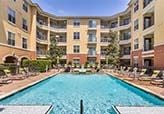
Your oasis awaits at our luxury apartments in Richardson, TX.
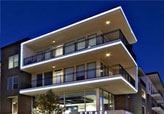
Find ideal Dallas apartments for rent at Strata Apartments.

Discover the perfect apartment in Knox-Henderson.
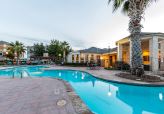
Apartments in Hutto for rent.

It's time to find new your home at apartments on Parmer.
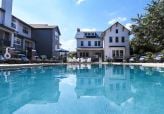
Discover stylish living in Northwest Austin.
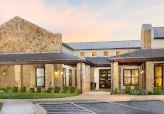
Looking for apartments in 78753? Start your search here.
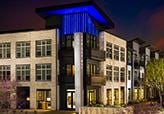
Start really living at apartments near The Domain.

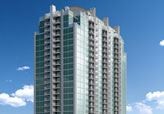
Find the perfect Austin high-rise apartments at SkyHouse Austin!

Find apartments on Brodie Lane, Austin, TX.
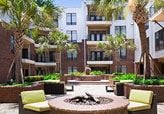
Enjoy spacious Houston Heights apartments for rent.

Galleria Area apartments for rent.
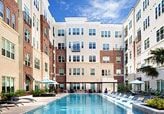
West University Apartments to suit your unique lifestyle.
Live where an unmatched lifestyle is at your fingertips, whether it’s skiing world-class resorts, fly-fishing in clear rivers, or experiencing city living at its best.
Find More Communities
Find the perfect apartment near Southlands at The Sanctuary!
Find your next home at Meridian Apartments for Rent.
Rent affordable apartments on Jefferson Ave.
Affordable apartments in Denver, CO.
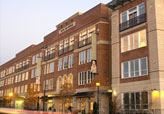
Find Golden Triangle Denver apartments for rent.
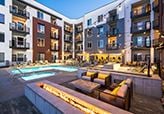
Discover luxury RiNo apartments in Denver, Colorado.
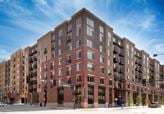
LoDo Denver apartments for rent
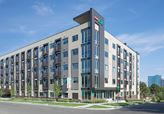
For your next move, consider Studio LoHi apartments for rent.
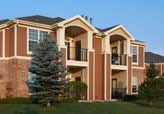
Enjoy a new standard of living in rental Thornton apartments.
Birthplace of country music and home to the blues, Tennessee’s legendary landscapes and vibrant cities will make every day memorable.
Find More Communities
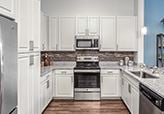
West Nashville apartments for rent.
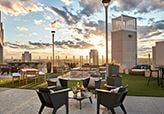
Music Row Nashville Apartments for rent.
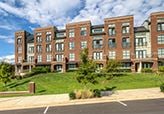
Stay close to home with apartments near Freedom High School.

Discover apartments for rent in Franklin, TN.
Live in an exciting and constantly evolving state where opportunity is always around the corner.
Find More Communities
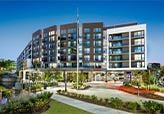
Modern apartments in Vinings Village for rent.
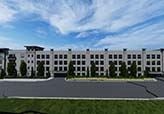
Your river retreat awaits at our luxury Atlanta apartments coming soon.
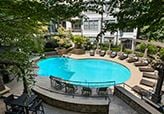
Start something new at Buckhead Apartments for rent.
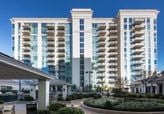
Discover luxury apartments for rent Buckhead.
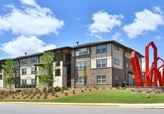
Modern Suwanee apartments for rent.
Metropolitan living and outdoor recreation come together just steps away from your home.
Find More Communities
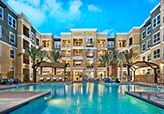
Start living again at Biltmore Area Apartments.
From the mountains to the beaches, world class higher education and career opportunities await you in North Carolina.
Find More Communities
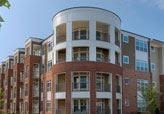
Find an apartment to rent near Ayrsley Town Center Charlotte, NC.
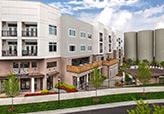
Check out Charlotte’s happening South End apartments for rent.
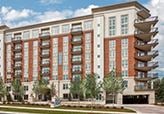
Check out SouthPark Charlotte Apartments for rent.
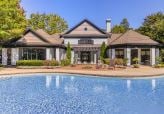
Ballantyne Apartments in Charlotte for rent.

Your next home awaits with Rea Farms Apartments in South Charlotte.
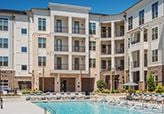
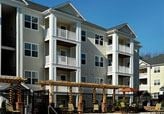
Live the good life at apartments in RTP.
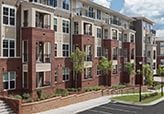
Live a life full of glamour with an abundance of recreational opportunities in Nevada, the most mountainous state in the US and a hub for tourism.
Find More Communities
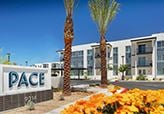
Spacious apartments in South Las Vegas.
History, culture and beautiful and varied landscapes await you in this exciting mid-Atlantic state.
Find More Communities
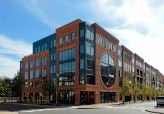
Find your next home at Clarendon VA apartments.
With over 3,000 miles of coastline and known for its famous blue crabs, Maryland is home to many federal agencies and aerospace career opportunities.
Find More Communities
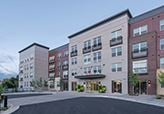
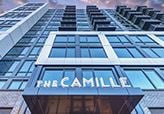
New Apartments in Bethesda, MD now open.
Live where fashion, entertainment and breathtaking vistas converge to create an exciting and opportunity-filled lifestyle.
Find More Communities
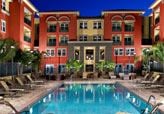
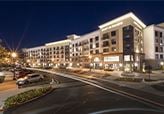
Discover the perfect apartment in Brea, CA.
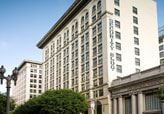
510 S Spring St
Los Angeles, CA 90013
Starting from $1,731
Historic DTLA loft apartments for rent in Los Angeles.
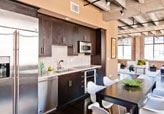
Historic Downtown LA lofts for rent.
World renowned beaches, exciting resorts and international cities combine for a vibrant, sun-filled lifestyle.
Find More Communities
City views become the great outdoors just a few steps away from your home.
Find More Communities
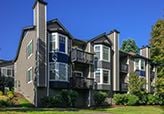
Apartments in West Linn, Oregon
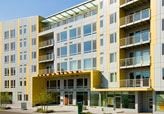
Start something new at South Waterfront Apartments.
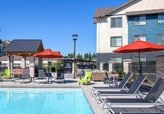
1345 SW 172nd Terrace
Beaverton, OR 97003
Starting from $1,805
Find the perfect Beaverton apartment for rent at Victory Flats Apartments!
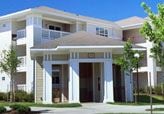
Affordable housing Beaverton apartments.
Where cosmopolitan city living meets the grandeur of the Pacific Northwest’s majestic mountain and waterfront beauty.
Find More Communities
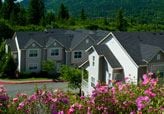
23425 SE Black Nugget Rd
Issaquah, WA 98029
Starting from $3,195
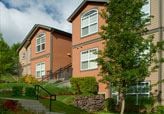
Discover your next home at Sammamish, WA apartments.
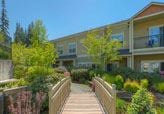
Discover your next apartment in Redmond, WA.
Apartments for rent in Renton, WA to suit your unique lifestyle.
Apartments Near Bellevue Square, Bellevue, WA.
Your next home awaits with apartments for rent in Downtown Seattle.
The world’s best universities, historic cities and towns, mountain resorts and coastal beauty converge in the heart of New England.
Find More Communities
Live the high life in Peabody, MA apartments for rent.
Jack S.
Benson Downs
Truly amazing community. Clean, safe, gated, and very well maintained. Maintenance team is top notch amazing. Best I’ve ever experienced. Highly recommend this place.
Mohammad N.
Lake Vue Apartments
My wife and I love our apartment here at Lake Vue! Perfect location with a great community, wonderful amenities, and an amazing staff! We recently moved in and were helped by Chris, who was amazing! He had such great energy and his enthusiasm was what sold us on this place. Whenever we have questions or concerns, he is always one quick email or call away!
Christina H.
Boulder Creek
Boulder Creek feels like home. I have been very happy with the unit, the resident community, and the area is safe, beautiful, and convenient. My leasing agent, Candy was friendly, responsive and very knowledgeable throughout the entire process. She made the details straightforward and expedited my move in date to accommodate my work schedule. She was a pleasure to work with. The unit is one of the cleanest places I’ve ever moved into with fresh paint and carpet. And the view is spectacular. My dog loves the enclosed dog park here too!

Michael B.
Stella Apartments
This property has been good but I have definitely noticed a drastic change for the best with the new management. Simpson Housing has revitalized Stella in the short period of time of the take over. The amenities are great, its always clean, and the improvements throughout the property have been visible. The perks of Stella is that there many local bars and restaurants with in walking distance.
Chris J.
Hartley Flats
Love the building. Love the staff. The location is impeccable. You won't be disappointed at Hartley.
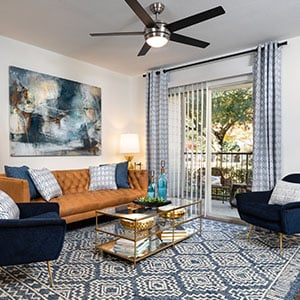
Blaise H.
Montelena Apartments
I love the management at Montelena! Such great listeners and always working to improve the property! When there is a need, no matter how small, they are extremely accommodating! And a special thanks to Danielle for her caring attitude and constant communication updates! Y’all are the best!
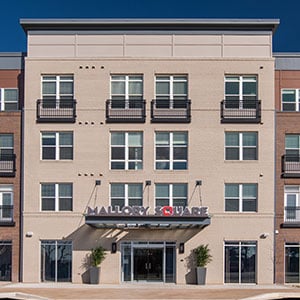
Cathy B.
Mallory Square
From my initial tour of the property to my becoming a resident, the leasing consultants and maintenance have been absolutely wonderful! I've never had to wait for service. I feel valued as a resident. Love, love, love my new home!!!

Bryan Hernandez National Training Director
Simpson Housing truly cares about their employees.